
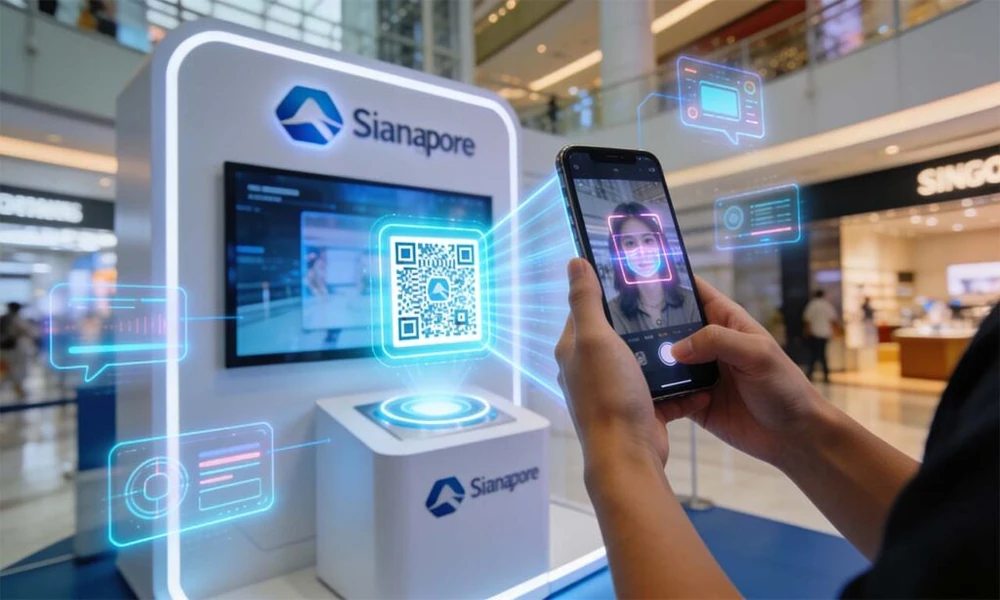
How does brand activation help retail engagement in Singapore? In short, it gives shoppers a reason to stop, engage and remember a brand at a time when attention is scarce and alternatives are everywhere. A brand activation is a live, interactive campaign designed to create direct engagement between a brand and its audience. In retail, activations range from product sampling and demonstrations to pop-up stores and immersive installations. When planned well, they turn passive browsing into active participation and leave customers with a stronger connection to the brand. For retailers, that connection often shows up as more time in store, more products tried and more people returning later.
What Brand Activation Involves
Brand activation brings a brand to life through experiences rather than advertising alone. It might involve a branded booth in a mall atrium, a pop-up shop, an in-store event, a product launch or a themed installation. The common thread is interaction: people try, touch, play, learn or share. Activations are usually time-limited, which creates urgency and gives people a reason to visit now rather than later. Some activations sit inside a brand’s own stores, while others borrow footfall from a mall atrium, an event or a busy public space where the target audience already gathers.
The Retail Landscape in Singapore
Singapore has a dense retail environment, with many malls competing for footfall and a highly connected population that shops online as readily as in person. Retailers and brands need ways to draw people into physical spaces and give them experiences that online channels cannot match. Activations in high-traffic areas such as mall atriums, shopping streets and transport hubs can reach large audiences quickly and create buzz on social media.
Driving Footfall and Attention
The first job of an activation is to attract attention. Eye-catching design, interactive elements and promotions encourage people to stop. Common techniques include:
- Bold visual installations visible from a distance
- Product sampling and free trials
- Live demonstrations or performances
- Games, challenges and prizes
- Limited-edition products or exclusive offers
Attracting attention is only the beginning, so activations must also offer something worth engaging with.
Turning Interest Into Engagement
Engagement happens when people interact with the brand in a meaningful way. That might mean trying a product, attending a workshop, customising an item or participating in a challenge. Engaged customers spend more time with the brand, learn more about its products and are more likely to remember it. Staff play a crucial role, guiding people, answering questions and creating a welcoming atmosphere. Well-briefed staff know the product, the purpose of the activation and how to start a conversation without a hard sell, which makes a large difference to how visitors feel.
Building Emotional Connections
Activations create emotional connections that advertising struggles to match. Positive experiences, such as fun, surprise or discovery, become associated with the brand. Returning to the central question, How does brand activation help retail engagement in Singapore? Much of the answer lies in these emotional connections, which make customers more likely to choose the brand later, recommend it to others and engage with future campaigns.
Social Sharing and Reach
Well-designed activations encourage visitors to share their experience online. Photogenic installations, branded backdrops and shareable moments extend reach far beyond the people physically present. Hashtags, social media contests and influencer participation can amplify this effect. In Singapore, where social media use is high, shareable activations can generate significant online visibility for a relatively small physical footprint. Designers should think about where people will stand to take photographs, how lighting will look on a phone camera and whether the brand will be visible in every shot.
Collecting Data and Insights
Activations provide opportunities to learn about customers. Sign-ups, surveys, product trials and interactions generate data on preferences and behaviour. This information can inform product development, marketing and future campaigns. Data collection should respect privacy rules, including Singapore’s Personal Data Protection Act, with clear consent and secure handling. Keep forms short, explain why information is being collected and offer something useful in return, such as a sample, voucher or early access.
Supporting Sales
While many activations focus on awareness and engagement, they can also drive sales. On-site purchases, exclusive offers and vouchers redeemable in store encourage immediate action. Tracking sales during and after activations helps measure their effectiveness. Useful measures include:
- Footfall and visitor numbers
- Dwell time and engagement levels
- Sign-ups and data collected
- Sales during and after the activation
- Social media reach and sentiment
These metrics help justify investment and refine future campaigns.
Practical Considerations
Activations in Singapore malls and public spaces require planning. Venue approvals, safety requirements, setup and dismantling times, power and data supply and crowd management all need attention. Working with experienced designers and fabricators reduces risk and ensures installations are safe, durable and delivered on time. Mall atriums are usually booked well in advance, often around festive seasons such as Chinese New Year, Hari Raya, Deepavali and Christmas, so early planning secures better locations.
Learning From Past Campaigns
Studying previous activations helps identify what works for different audiences and objectives. Exploring examples of brand activation campaigns in Singapore can provide ideas and highlight practical lessons.
The Key Takeaway
Brand activation works when it gives people a genuine reason to engage. Focus on the experience first, and attention, sharing and sales are more likely to follow.