
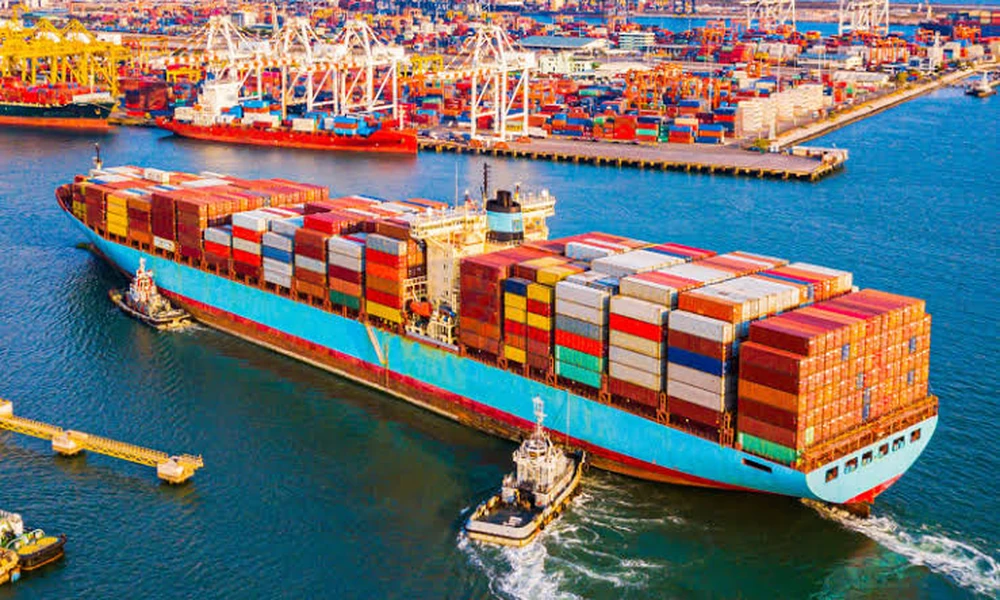
Coastlines reveal changing environmental pressures every year. Rising tides reshape familiar shorelines across countless regions. Smarter engineering now balances resilience with ecological responsibility. Every decision influences future coastal stability and habitat health.
Practical innovation guides modern waterfront planning from project beginnings. An experienced marine construction company brings technical knowledge alongside environmental awareness, creating stronger infrastructure through carefully planned solutions.
What Makes Sustainable Marine Construction Essential?
Healthy coastlines protect communities, fisheries, and valuable natural habitats. Construction choices influence surrounding waters for decades afterward. Better planning reduces unnecessary seabed disturbance while preserving underwater ecosystems. Engineers evaluate tidal movement, soil conditions, and marine species before construction begins. Every informed decision strengthens long-term coastal resilience without sacrificing environmental quality.
Smarter Engineering Creates Lasting Coastal Value
Modern techniques combine precision with responsible resource management. Digital positioning reduces excavation beyond required project boundaries. Recycled materials lower raw resource consumption across waterfront developments. Living shoreline systems strengthen exposed areas through natural coastal processes. Practical engineering decisions create dependable structures while protecting nearby aquatic environments.
Key sustainable practices include:
- Recycled structural materials
- Precision seabed mapping technology
- Native vegetation restoration
- Sediment control barriers
- Efficient equipment scheduling
Can Technology Protect Marine Ecosystems While Building?
Advanced equipment delivers greater accuracy throughout marine construction projects. A trusted marine construction company applies detailed seabed surveys before equipment enters coastal waters. Precise placement limits unnecessary excavation around sensitive habitats. Oyster reef restoration offers one practical example, creating natural wave protection while encouraging marine biodiversity across vulnerable shoreline sections.
Practical Benefits Beyond Construction Sites
Environmental planning delivers measurable value long after installation finishes. Ports experience reduced maintenance through durable structural designs. Coastal businesses benefit from dependable waterfront access during changing weather conditions. Fishing communities gain healthier breeding environments through restored underwater habitats. Better engineering creates economic value alongside environmental stewardship.
Important long-term outcomes include:
Coastal Resilience Depends Upon Better Decisions
Every successful waterfront project reflects careful preparation before construction begins. Material selection shapes future maintenance requirements across demanding marine environments. Tide patterns influence foundation performance throughout changing seasonal conditions. Skilled engineering respects ecological balance while delivering dependable coastal infrastructure. Responsible planning creates durable assets serving communities across future generations.
Building Coastlines That Endure Changing Seas
Precision mapping, living shorelines, and recycled materials create lasting coastal resilience together. Projects embracing ecological awareness protect valuable marine habitats while extending infrastructure performance. Future waterfront developments will depend upon engineering decisions respecting both environmental systems and community needs, leaving coastlines stronger through thoughtful planning rather than larger construction alone.