
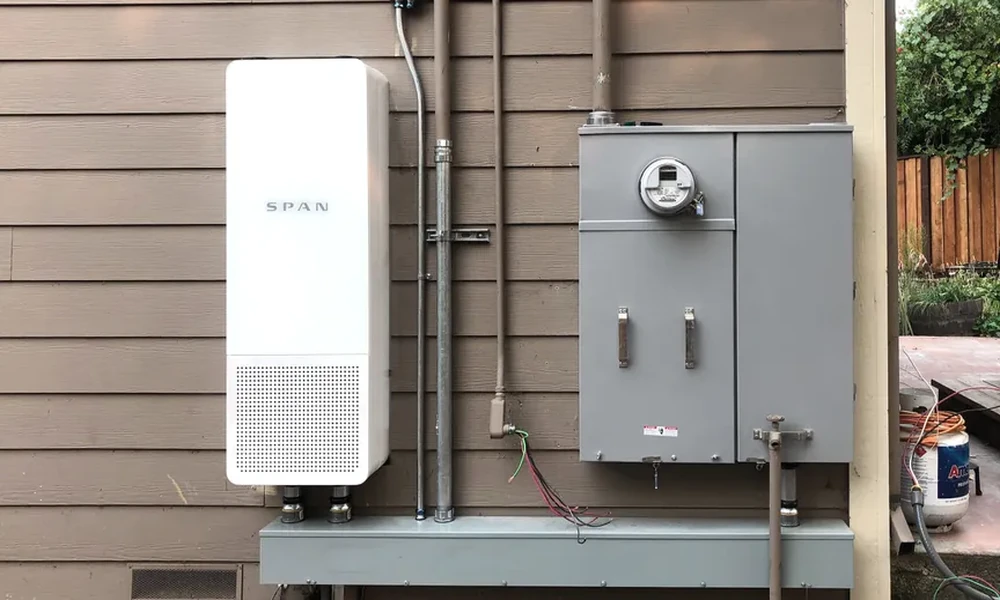
Many houses built before the 1990s were wired with a 100-amp or 150-amp service. At the time that was plenty, because the largest loads were usually an electric range, a dryer and a central air unit or two window units. Now more equipment needs its own 240-volt circuit, and all of it has to come from the same panel in the basement or garage.
Electricians deal with this using a load calculation. The method comes from the National Electrical Code (NFPA 70), and it estimates how much power the home could realistically draw at the same time. The result shows whether the current service can take another large appliance, whether a load management device can stretch it further, or whether upgrading the panel is the better route. Doing that math before buying equipment costs far less than finding the shortfall on installation day.
For homeowners in Morris County, NJ, Protocol Services – Electric & Air can look at both sides of the problem in one visit. The same company installs heat pumps, ductless systems and furnaces, and also handles panel upgrades from 100A to 400A, EV chargers as a QMerit-certified installer, and standby generators as an authorized Generac dealer. Its work is licensed, permitted and inspected, and it handles the paperwork for JCP&L and PSE&G rebate programs. If you are planning two or more of the upgrades below, one whole-house assessment usually saves a second trip.
1. A heat pump taking over from oil or gas heat
A central air conditioner only draws heavily in summer. A heat pump draws heavily all year, because it also heats the house in winter. The compressor is often not the biggest issue. The electric resistance backup strips in the air handler are. Those strips commonly add 5 to 15 kilowatts, and on the coldest mornings they can switch on while the compressor is already running.
This is why the choice of equipment matters as much as the panel. Units that meet the ENERGY STAR cold climate heat pump criteria keep more of their heating capacity at low temperatures, so they rely on backup strips less often and for shorter periods. Ductless mini-splits have a smaller footprint. Each outdoor unit usually needs a 240-volt circuit of 15 to 30 amps, which makes them a common choice for adding a heat pump without upgrading the panel.
If the panel truly cannot handle electric heat, converting from oil to gas is another option. Heating then stays mostly off the electrical service, and the old oil tank is removed.
2. A Level 2 EV charger in the garage
Most Level 2 home chargers run on a 40-amp or 50-amp circuit. The code treats EV charging as a continuous load, so the circuit must be rated at 125 percent of what the charger draws. A charger that pulls 48 amps therefore needs a 60-amp breaker. Buyers often learn this only after ordering the unit.
The Department of Energy’s guide to charging at home notes that most drivers charge overnight. That timing is useful because household demand from cooking, laundry and HVAC usually drops after dark. Many newer chargers support power sharing, and dedicated load management devices can pause charging while the heat pump or dryer is running. This can let a 100-amp or 150-amp home take on a charger that would otherwise force a service upgrade.
3. A standby generator and its transfer switch
A generator connects to the panel through an automatic transfer switch. That switch decides what the generator has to power during an outage. A whole-house setup covers every circuit. An essential-circuits setup moves only the furnace, well pump, refrigerator and a few outlets to a separate subpanel.
The figure that most often catches homeowners off guard is starting current. When an AC or heat pump compressor starts, it briefly draws several times its running amperage. The generator has to supply that surge or the compressor will not start. Soft-start kits on the compressor lower the surge considerably. Load-shedding modules can also hold back large appliances until the generator has spare capacity. A home that has switched to heat pump heating will depend on its generator more in a winter storm, so sizing should be based on January needs, not July.
4. Air quality and water treatment equipment
Whole-house humidifiers, dehumidifiers, UV lamps, electronic air cleaners and water treatment systems draw much less than the items above. Because each one is small, it is easy to overlook how they get wired.
The code generally requires central heating equipment to be on its own branch circuit. It does allow some related accessories, such as humidifiers and electronic air cleaners, to share the furnace circuit. Other equipment, like a standalone basement dehumidifier or a water softener, needs its own outlet or circuit. Problems in older homes usually come from these devices being added one at a time over many years, often onto whatever outlet was nearest. Tracing which device is on which circuit before adding more equipment prevents nuisance trips. It also prevents a far worse situation, where an overloaded circuit is protected by the wrong breaker.
5. Surge protection installed at the panel
Modern HVAC equipment contains a lot of electronics. Variable-speed compressors depend on inverter boards, and blower motors use electronically commutated designs with their own control modules. EV chargers and generator controllers are sensitive too. A surge from a lightning strike nearby, from the utility grid, or from a transfer switch moving between power sources can damage several of these at once.
Since the 2020 edition, the NEC has required a surge protective device whenever a dwelling’s electrical service is replaced or upgraded. A device at the panel costs much less than one replacement inverter board for a heat pump. Plug-in surge strips cannot protect hardwired equipment such as a condenser, an air handler or a wall-mounted charger, so the panel is the only place where one device protects everything.
The order of these projects matters more than the list. Decide on the panel first, because every other item depends on it. If you do upgrade the service, ask how many open breaker spaces will remain, not only how many amps it provides. A 200-amp panel without room for future breakers will create the same problem the next time you add equipment.