
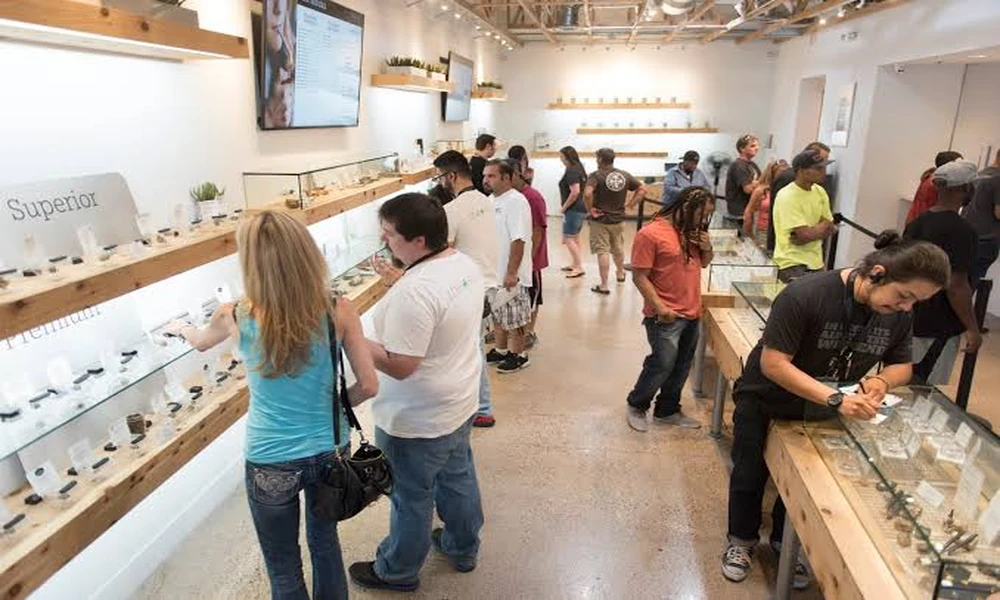
Cannabis prices at Nevada dispensaries reflect more than product costs. The state applies a 15 percent excise tax at the wholesale level and a 10 percent excise tax on adult-use retail sales, on top of local sales tax (Nevada Department of Taxation). Understanding how those layers work helps shoppers make sense of the final price at the register.
How do states tax cannabis differently?
States tax cannabis using several different models. Some apply a percentage of the retail price, others tax by weight, and a few tax by potency, with rates and bases varying widely across the country (Tax Foundation). Nevada combines a wholesale excise, a retail excise, and standard sales tax, which spreads the tax burden across the supply chain.
Why does the wholesale tax affect retail prices?
The wholesale tax affects retail prices because cultivators and producers build it into the price they charge dispensaries. Shoppers never see it as a separate line item, but it is part of every product’s shelf price.
How are medical patients taxed compared with adult-use customers?
Medical patients are taxed differently from adult-use customers. Medical cardholders skip the 10 percent cannabis excise tax but still pay the 8.375 percent sales tax, according to one Las Vegas dispensary’s published delivery terms (Green Dispensary). For frequent buyers, that difference can add up over a year.
Who qualifies for a medical card in Nevada?
Nevada residents with qualifying medical conditions can apply for a medical cannabis card with a recommendation from a licensed provider. Patients should review current eligibility and application steps with the state program before applying.
How does local sales tax fit in?
Local sales tax fits in as a separate layer applied at checkout. In Clark County, the combined sales tax rate is 8.375 percent (Nevada Department of Taxation). Because rates vary by county, shoppers in other parts of Nevada may see slightly different totals for the same product.
How can shoppers read a receipt?
Shoppers can read a dispensary receipt by checking a few lines:
- The product subtotal before taxes and discounts
- The cannabis excise tax for adult-use purchases
- The county sales tax applied to the order
- Any loyalty discounts or rewards redemptions
How do dispensaries respond to price pressure?
Dispensaries respond to price pressure with loyalty programs, daily specials, and bundled deals rather than lowering every shelf price. Points-based rewards let regular customers earn discounts over time, while targeted specials help stores move inventory without starting a price war across the whole menu.
Do loyalty programs really save money?
Loyalty programs save money mainly for frequent shoppers. Customers who buy regularly from one store accumulate points faster and benefit from bonus days, while occasional shoppers may see smaller returns.
How do taxes fund public programs?
Cannabis tax revenue in Nevada supports public priorities, including education funding and the cost of regulating the industry. That connection is one reason policymakers weigh both public revenue and price competitiveness with the unregulated market when adjusting rates.
How do taxes compare with the unregulated market?
Taxes create a price gap between licensed dispensaries and unregulated sellers, who pay no excise or sales tax. Licensed stores offset that gap with tested products, accurate labels, legal protection for buyers, and services such as delivery and rewards. For most adults, those benefits outweigh the savings promised by illegal sources.
Do discounts reduce the taxes owed?
Discounts generally reduce the taxable amount at checkout, which lowers the tax paid along with the price. Shoppers who time purchases around specials or rewards redemptions therefore save on both the product and the tax applied to it.
What should Nevada shoppers take away?
The price on a Nevada cannabis receipt includes several tax layers that shoppers rarely see broken out. Knowing how wholesale, retail excise, and sales taxes work, and whether a medical card applies, helps customers compare stores fairly and make the most of loyalty programs.