
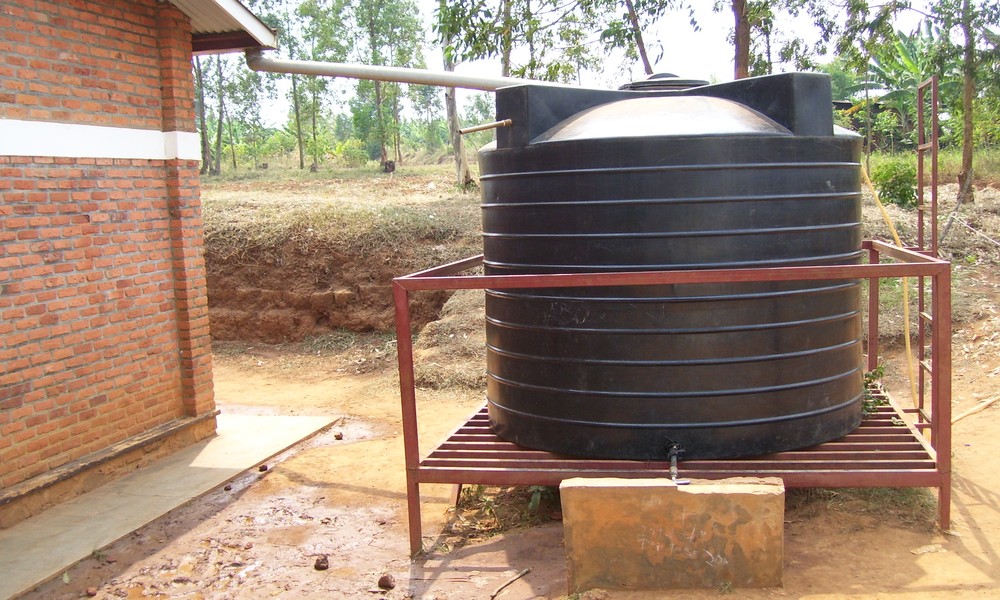
Many communities are experiencing difficulty acquiring adequate water, making clean water practices more critical than ever. Rainfall tanks are a beneficial thing and helpful for the environment, capturing and storing rainfall that would otherwise be lost. This gathered water may be utilised for numerous reasons around and outside the house. This reduces the demand on municipal water supply and helps to preserve critical natural resources.
Rainwater harvesting is not a new concept, but modern methods have made it easier and more effective. Homeowners may safely store water without compromising quality or convenience because to advances in tank materials, filtration systems and installation techniques.
How Rainwater Tanks Work
Gutters and downpipes take water from the roofs to rainwater tanks. The water is then pumped into a holding tank where it is treated and stored for future use. Many systems include first-flush features to divert grit and other pollutants away from the water before it reaches the tank. This provides for simpler storage.
The water you save may be piped to toilets, washing machines, irrigation systems or even to outdoor washing equipment. Sometimes, rainwater may be made drinkable using advanced filtering techniques, but usually it first needs additional treatment.
Environmental Benefits Of Using Rainwater Tanks
One of the nicest things about rainwater tanks is that they are environmentally friendly. These approaches assist in minimising the energy required to treat and transport water by reducing the reliance of humans on clean water. This directly cuts carbon emissions.
Another approach to flood flow is to use rainwater tanks. Heavy rain can cause sewage systems to become overloaded and lead to flooding. Tanks assist in reducing the volume of flow by collecting and storing rainwater. This reduces the possibility of damage and water contamination.
Practical Uses In Everyday Life
There are a number of uses for rainwater tanks in everyday life. Gardens are often watered with rainwater since it is chemical-free, like bleach, and beneficial for plants. It may be used to clean the exterior, to flush toilets and to perform laundry.
In the country or off-grid locations, rainwater tanks are generally the primary water supply. With good maintenance and filtering, they can do a lot of various things in the home.
How To Choose The Right System For Your House
Choosing the correct rainwater tank depends on a number of factors such as space available, the water use of the household and the climate of your location. Tanks exist in a lot of forms and sizes, and are composed of diverse materials, such as steel, concrete and plastic. Each variety has its own perks in terms of lifespan, cost and appearance.
The professional placement is necessary to ensure that the system functions properly and complies with the regulations in your region. Residents may speak to a top plumber in Five Dock to assist them in deciding what configuration is ideal for them. If the tank is properly placed, it will also function without any difficulties with existing water systems.
Maintenance And Longevity
Regular maintenance is an unavoidable part of having a rainwater tank operational. This may involve inspecting the filters, cleaning out the drains and examining the tank for any damage or contamination. Maintenance works to maintain the water and increase system life.
These days tanks are built to be low upkeep but still want and perform periodical valuable check-ups. Coming together those small complexities on the spot might spare you from larger costs and abuses of your structure down the road.
Contributing To A Sustainable Future
A rainwater tank is a practical addition to any house and helps you to live a more environmentally responsible lifestyle. They are helping to conserve natural resources and promote wise water usage with less dependence on centralised water infrastructure.
As environmental concerns worsen, there couldn’t be a better time to investigate remedies like collecting rainwater. Rainwater tanks are a simple, valuable method to help make the future more sustainable. They may be utilised for farming, household or as a backup supply.
Conclusion
Rainwater tanks are an essential component of water efficiency since they gather a natural resource that is not typically considered. They are beneficial for the planet, they save money, and they can be utilised in real life. They are a smart investment for every house. When a system is properly installed and maintained, homeowners may have a consistent, environmentally friendly water supply that supports their long-term sustainability goals.