
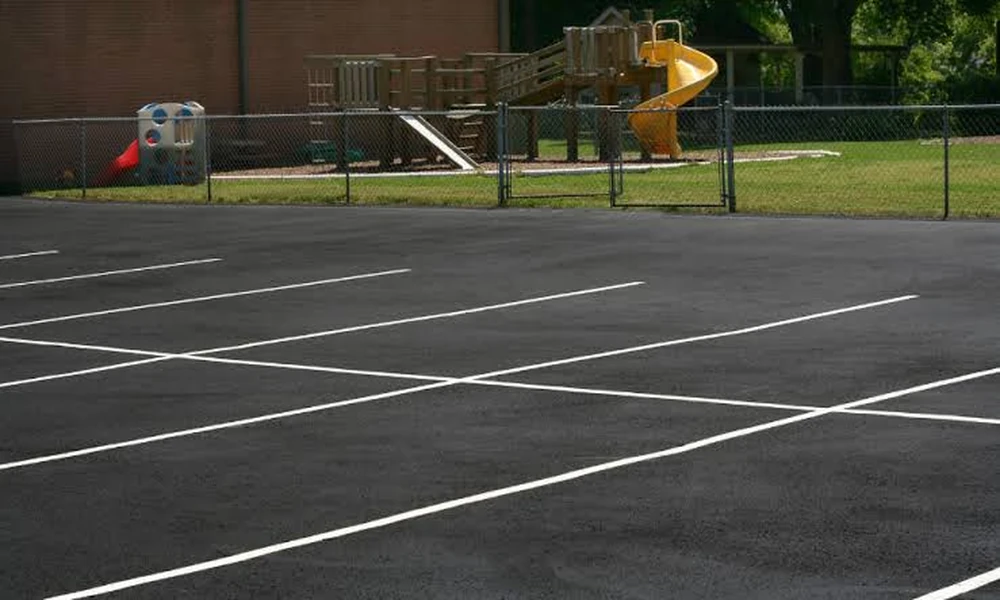
Vivid lines on asphalt may seem unremarkable, but these painted directives quietly orchestrate the daily ballet of cars, bikes, and pedestrians moving through city streets. When they’re well designed and flawlessly maintained, urban pavement markings are one of the most effective weapons in the fight for traffic safety.
The Critical Role of Pavement Markings in Urban Traffic Safety
Pavement markings are far more than simple road decorations. They establish visual order amid the chaos, signaling where to stop, when to yield, and how to share space. City streets without markings quickly devolve into confusion, while clear lines create predictability, for drivers, cyclists, and pedestrians alike. Studies have repeatedly shown that proper road markings reduce crash rates, improve traffic flow, and enhance pedestrian safety, especially in busy downtown cores.
How Pavement Markings Shape Driver, Cyclist, and Pedestrian Behavior
A double yellow line is a silent barrier, dissuading risky overtakes. Zebra crosswalks embolden people to cross safely, while bike boxes carve out dedicated space at intersections. The placement, clarity, and reflectivity of these markings subtly influence behavior, nudging all users towards safer decisions.
Common Challenges in Urban Traffic Environments
Congested streets, ever-changing construction zones, and seasonal weather can quickly degrade markings or create confusing patchworks. Faded lines, outdated layouts, or inconsistent signage are all too common in growing cities, making ongoing upkeep essential.
Temporary Pavement Markings: Managing Safety During Construction
Construction zones are notorious for confusion. Temporary pavement markings serve as a lifeline, guiding commuters through evolving detours and shifting lanes while keeping both crews and the public safe.
Case Study: Guiding Traffic Through Active Construction Zones in Toronto
During major infrastructure upgrades on Toronto’s 400-series highways, temporary markings were the only thing standing between orderly flow and total gridlock. Crews regularly reapplied approved paint to update detour routes, responding in real time as road layouts changed.
Materials and Methods Used for Temporary Line Painting
Temporary markings rely on fast-drying, OPSS-approved paints that offer clarity but are designed for easy removal. These markings can be swiftly deployed overnight and updated as construction phases advance.
Updating and Removing Temporary Markings for Dynamic Traffic Flow
As work progresses, outdated temporary markings must be removed or covered to prevent confusion. This cycle of application and removal ensures that drivers always receive accurate, current guidance, minimizing the risk of collisions in unpredictable environments.
Permanent Pavement Markings: Foundations of Long-Term Road Safety
When the dust settles and a new road is ready for its debut, permanent pavement markings become lasting guardians of order. Their quality and visibility shape traffic patterns for years to come.
Case Study: Implementing Durable Thermoplastic Markings on Ontario Highways
Ontario’s harsh winters and heavy traffic demand more than simple paint. Thermoplastic markings, applied by crews specializing in pavement markings by Salus Traffic, stand up to snow, salt, and sun, ensuring lines remain visible and intact through countless freeze-thaw cycles.
Selecting Materials Based on Surface Type and Traffic Volume
Paint, while cost-effective for quiet streets, doesn’t last long on busy arterials. Thermoplastic and other advanced materials are chosen for their longevity and reflectivity, with specifications tailored to the road’s surface and expected traffic load.
Types of Permanent Markings: Lines, Symbols, Messages, and Their Functions
Permanent markings include everything from basic center and edge lines to arrow symbols, stop bars, crosswalks, and bike lane designations. Each one is engineered for visibility, durability, and compliance with safety standards.
Intersection Markings: Coordinating Complex Urban Movements
Intersections are where conflicting paths converge, making them critical spots for precise marking.
Case Study: Enhancing Safety at Busy Toronto Intersections
At a major Toronto intersection, pre-marking techniques ensured that stop bars, crosswalks, and bike boxes were perfectly aligned with traffic signals and pedestrian flow. This meticulous approach led to measurable changes in turning behaviors and reduced near-miss incidents.
Key Markings: Stop Bars, Yield Lines, Crosswalks, Bike Boxes
These elements set clear boundaries and priorities for everyone. Stop bars dictate where vehicles must halt, yield lines manage merging traffic, crosswalks protect pedestrians, and bike boxes give cyclists a head start at the green.
Ensuring Accurate Layouts and Compliance with Design Standards
Precision is key. Crews pre-mark with chalk, verify against intersection design plans, and only then apply permanent materials, guaranteeing compliance with municipal and provincial standards.
Parking Lots and Private Property: Creating Safe, Organized Spaces
Parking lots may seem mundane, but poor markings can cause chaos and accidents.
Case Study: Optimizing a High-Density Commercial Parking Lot in Mississauga
A reconfigured layout, using sharp stall lines, clear directional arrows, and accessible spaces, transformed a high-traffic lot from confusion to efficiency overnight.
Addressing Tight Layouts and High Pedestrian Activity
Urban lots often have minimal maneuvering room and lots of foot traffic. Well-placed markings define traffic flow, reduce conflict points, and improve pedestrian safety significantly.
Accessibility and Compliance in Private Property Markings
Designating accessible routes, fire lanes, and pedestrian crossings isn’t just smart, it’s the law. Proper planning and compliant markings ensure inclusivity and safety for all users.
Quality Control and Compliance: Ensuring Pavement Markings Perform
Scrupulous preparation and inspection are the unseen factors behind every successful project.
Importance of Surface Preparation and Environmental Conditions
Markings applied to dirty or wet surfaces will fail quickly. Crews monitor surface condition, temperature, and humidity to set each project up for lasting results.
Adhering to OTM Book 11, OPSS, and Municipal Standards
Compliance is non-negotiable. Each job must meet rigorous provincial and municipal requirements, from retroreflectivity to layer thickness.
Documenting and Verifying Retroreflectivity and Thickness
Every application is photographed, measured, and logged. This documentation protects the public and ensures municipalities are audit-ready.
Technology and Innovation in Pavement Marking Applications
Advancements in materials and methods are pushing the boundaries of what markings can achieve.
Advances in Thermoplastic and Reflective Materials
Modern thermoplastics and glass bead additives enhance both durability and nighttime visibility, keeping lines bright even under the city’s worst conditions.
Using Pre-marking Techniques for Precision and Efficiency
Digital layouts and physical pre-marking ensure that final lines go down exactly as planned, reducing human error.
Future Trends in Urban Traffic Safety Markings
Smart materials, sensor-enhanced markings, and automated application technologies are on the horizon, promising even safer and more adaptive city streets.
Conclusion: Maximizing Urban Traffic Safety Through Effective Pavement Markings
Every crisp line on the road is a testament to meticulous planning, quality control, and a commitment to public safety. The lessons learned from Toronto and Ontario’s roadways make it clear: high-visibility, well-maintained markings prevent accidents, ease congestion, and protect vulnerable road users.
For municipalities and developers, the best results come from prioritizing professional application, ongoing maintenance, and strict adherence to standards. Trusted experts in the field, like those who provide pavement markings by Salus Traffic, are vital partners in building safer, more efficient urban environments. In the world of urban mobility, these quiet guides are anything but ordinary.